Can Eating These Foods Boost Your TRT?
A Nutrition Guide for Anchorage Men
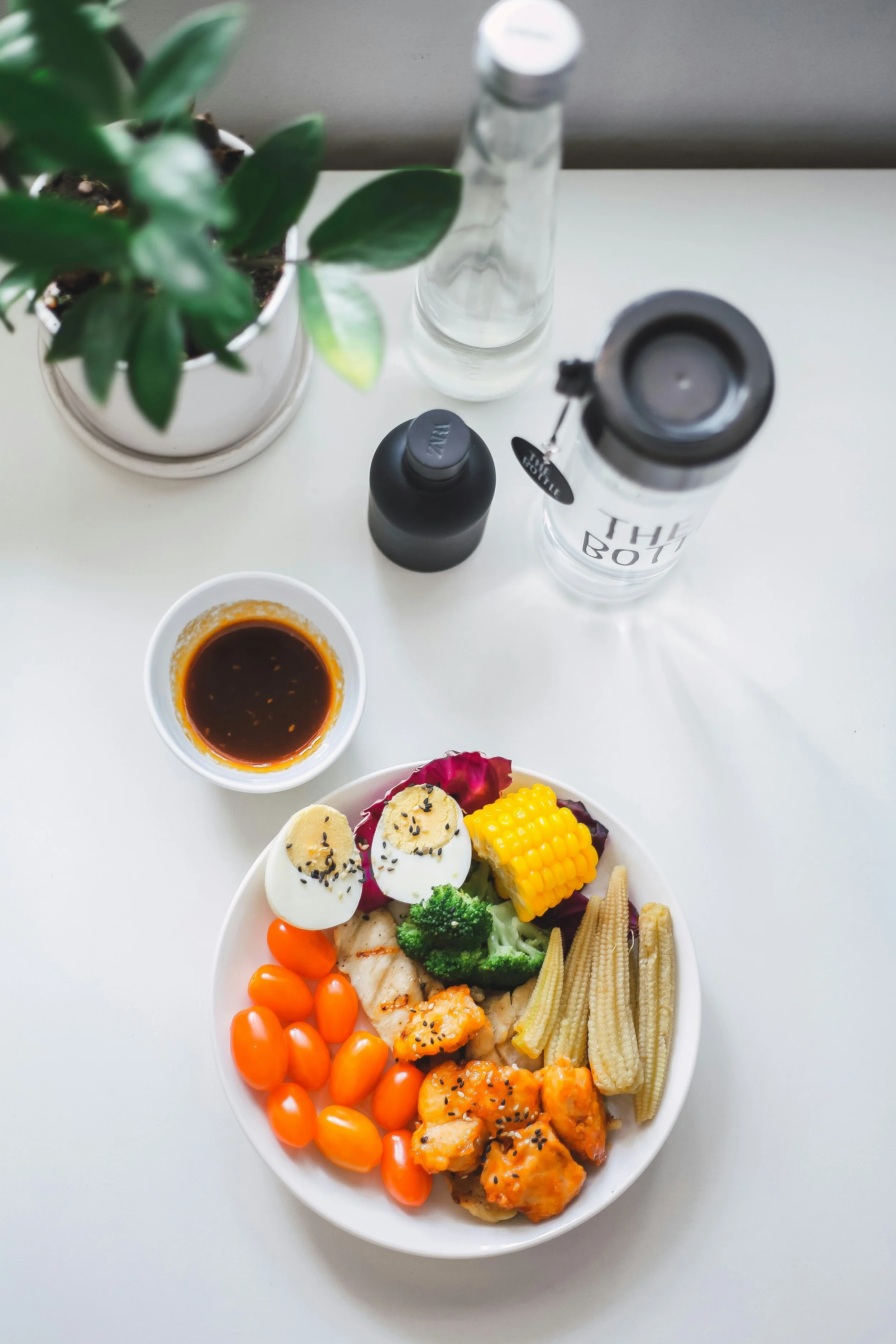
You started testosterone replacement therapy to reclaim your energy, strength, and vitality. But are you getting the most out of your treatment? While TRT provides the hormonal foundation your body needs, what you put on your plate matters more than you might think.
At Basecamp Medical, we've seen the difference nutrition makes for men on TRT. Research from TRT clinics shows that diet determines up to 80% of therapy success, and men who follow targeted nutrition strategies see 40% better results than those who ignore their diet. The good news? Most men notice improved energy and recovery within 2-4 weeks of optimizing their nutrition.
Here's exactly how food supports your TRT results and which foods deserve a spot in your meal plan.
Understanding the connection between diet and testosterone
Testosterone is literally built from the nutrients you consume. Your body synthesizes this critical hormone from cholesterol and requires specific vitamins and minerals to support the process. Without adequate raw materials, even the best TRT protocol won't deliver optimal results.
Here's the reality: TRT is like premium fuel for a high-performance engine. But if that engine is clogged with processed foods, excess sugar, and nutrient deficiencies, you're not going to see the performance you expect. Your body needs quality protein to build muscle, healthy fats to produce hormones, and micronutrients to support the entire system.
That said, diet supports TRT, it doesn't replace it. If you have clinically low testosterone, nutrition alone won't fix the problem. Food works alongside your therapy to help you feel stronger, recover faster, and get more from every treatment.
The big three: essential nutrients for testosterone support
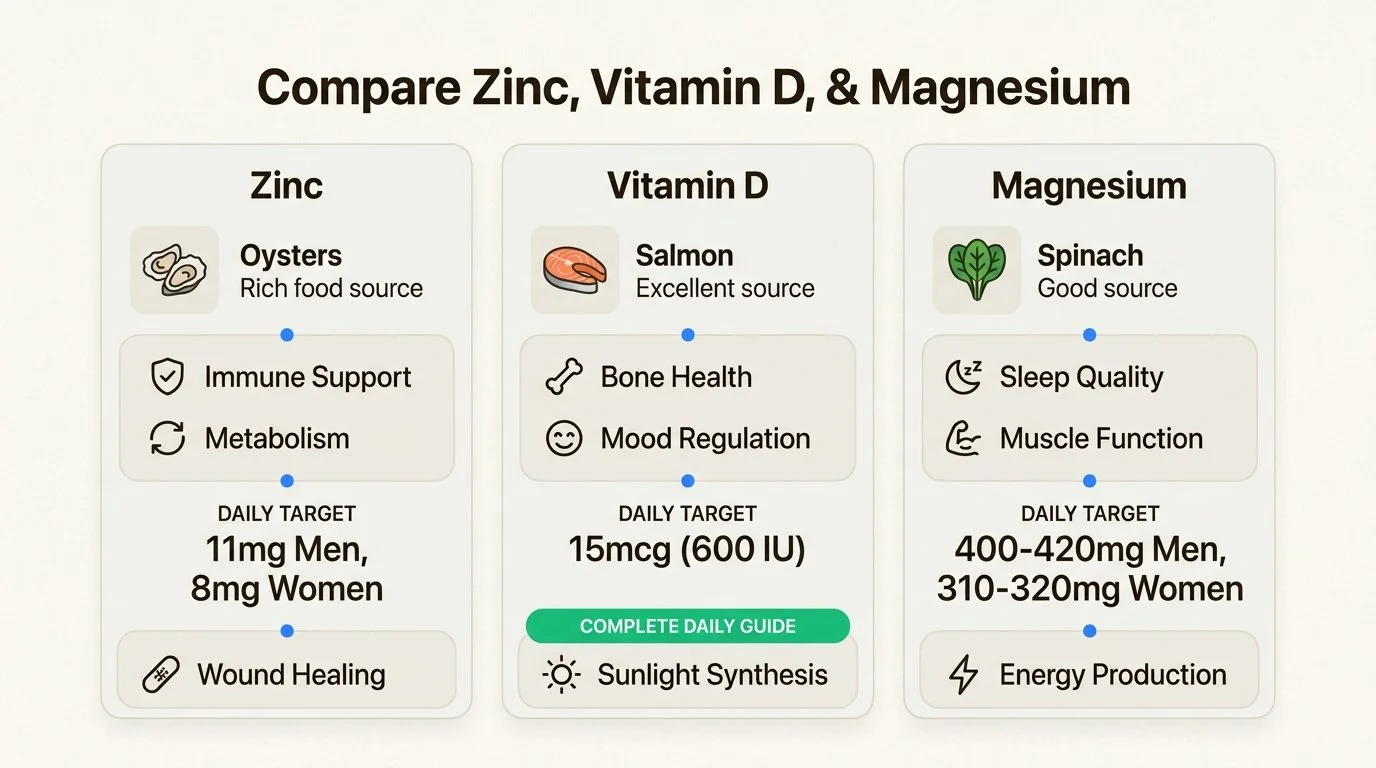
Three nutrients consistently emerge in research as critical for testosterone production: zinc, vitamin D, and magnesium. Understanding how they work helps you prioritize the right foods.
Zinc
Zinc acts as a catalyst in the conversion of cholesterol to testosterone. It also helps prevent testosterone from converting into estrogen. Studies show that zinc deficiency can reduce testosterone effectiveness by up to 40%, making it essential for men on TRT.
Adult men should aim for 25-50mg daily. Oysters lead the pack with 74mg per 3-ounce serving, followed by beef at 7mg and pumpkin seeds at 2.2mg per ounce.
Vitamin D
Vitamin D functions more like a hormone than a vitamin in your body. It's vital for natural testosterone production and helps maintain sperm count. Research from Graz Medical University found that vitamin D can boost testosterone levels by up to 90%.
For Alaska men, this is especially critical. Limited UVB sun exposure makes supplementation and dietary sources essential. Aim for 5,000-10,000 IU daily (all year), with food sources including salmon, egg yolks, and fortified dairy.
Magnesium
Magnesium improves sleep quality, which directly impacts testosterone (production peaks during REM cycles). It also supports hormone metabolism. Studies suggest magnesium deficiency may play a direct role in testosterone deficiency.
Target 400-420mg daily through spinach, almonds, cashews, and dark chocolate.
Eight testosterone-supporting foods to add to your diet
Based on clinical research and our experience with TRT patients, these foods deliver the best hormone-supporting nutrition:
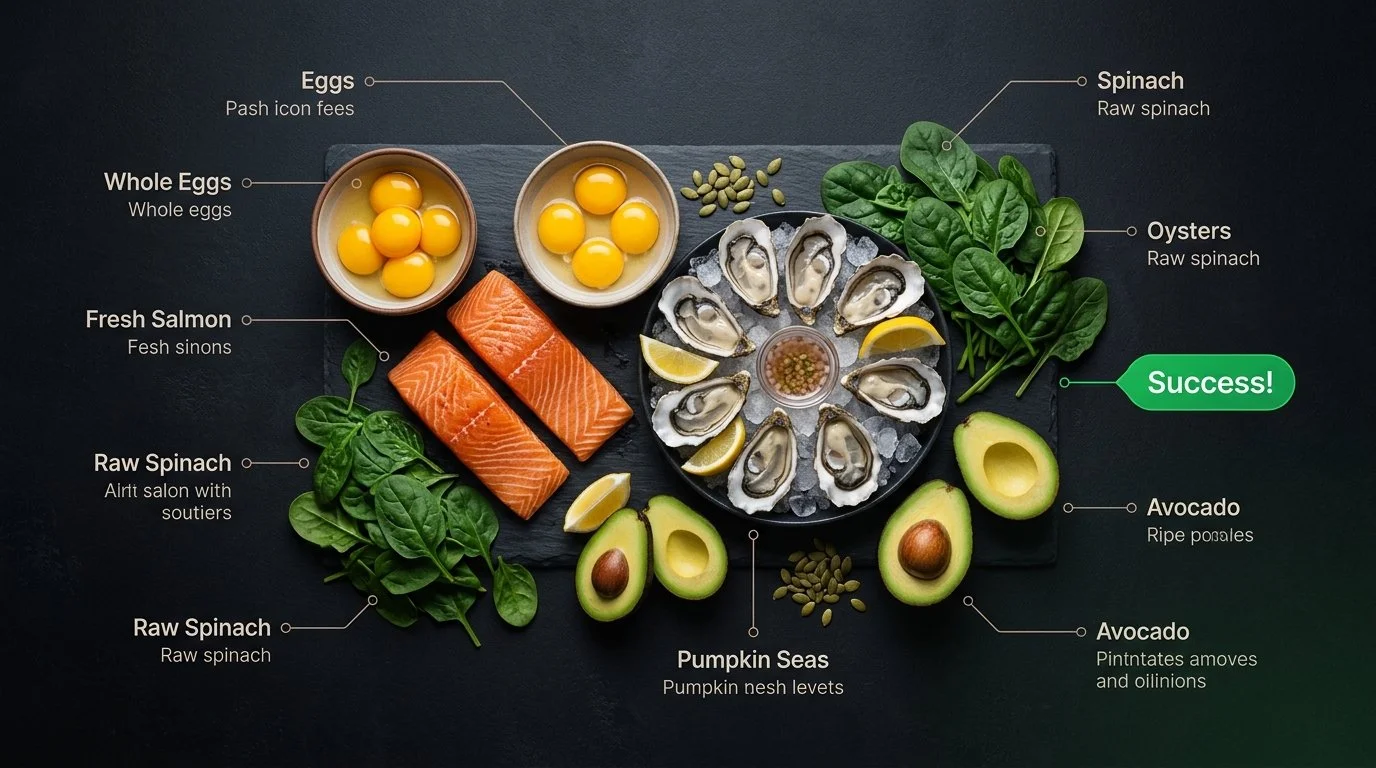
1. Oysters and shellfish
Oysters contain more zinc per serving than any other food, making them a testosterone powerhouse. The zinc in oysters acts directly on Leydig cells, the testosterone-producing cells in your testicles. Research published in the Journal of Reproduction & Development confirms zinc's essential role in testicular function and testosterone synthesis. Other shellfish like crab, lobster, and mussels also provide excellent zinc content.
Practical tip: Fresh oysters aren't always easy to find in Anchorage, but canned oysters work nearly as well. Aim for 2-3 servings per week.
2. Whole eggs
A 2021 study published in the Journal of Strength and Conditioning Research compared 30 male athletes who ate whole eggs versus egg whites during 12 weeks of resistance training. The whole egg group had significantly higher testosterone levels and lower body fat.
Egg yolks deliver vitamin D, cholesterol (a building block for testosterone), and selenium. The study participants ate three whole eggs after each training session. For men on TRT, 2-3 whole eggs daily provides excellent support without overdoing cholesterol.
3. Wild-caught Alaskan salmon
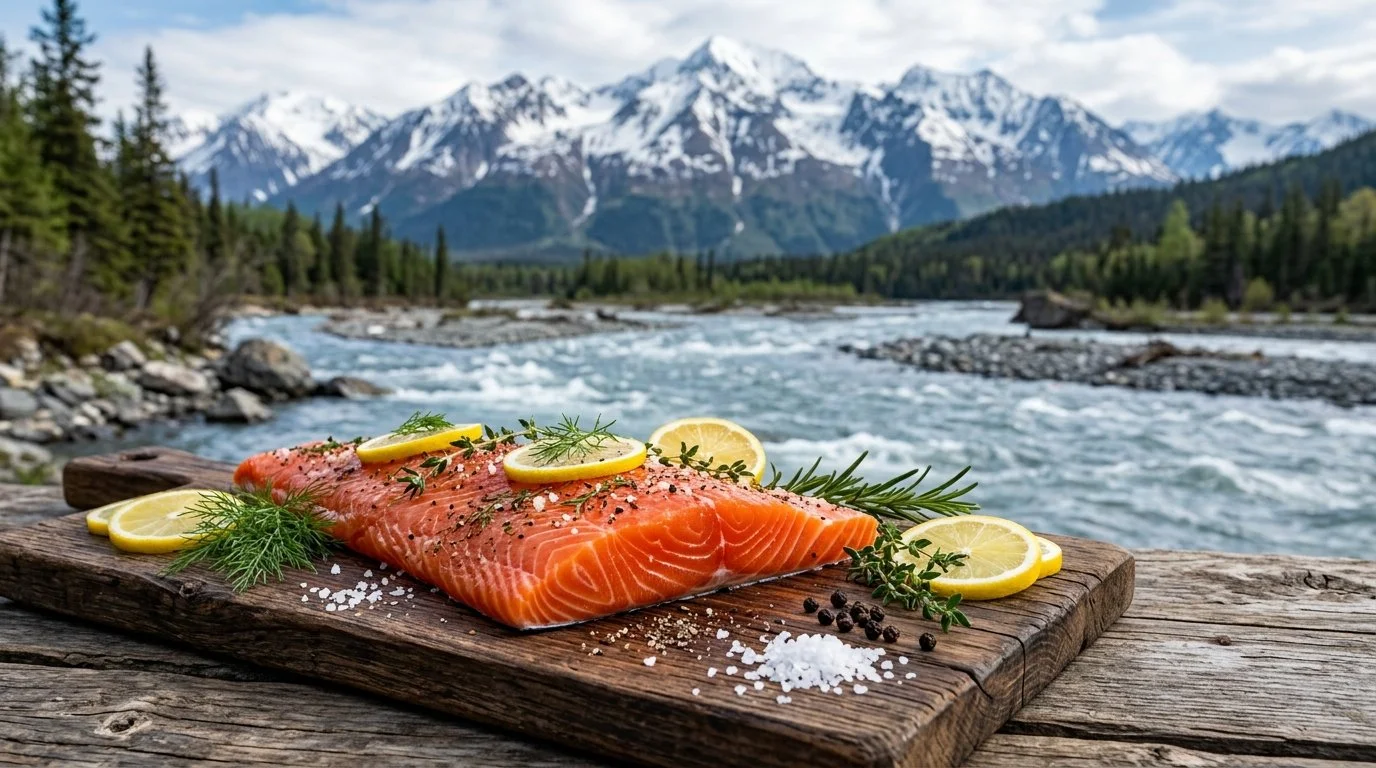
Here's where Alaska men have a significant advantage. Wild-caught Alaskan salmon delivers omega-3 fatty acids, vitamin D, and zinc in one package. A 2024 Japanese study of 1,545 older males found that men who ate more fatty fish had higher testosterone levels.
Take advantage of local sourcing. Fresh salmon from Alaska waters provides superior nutrition compared to farmed Atlantic salmon. Frozen wild salmon works perfectly when fresh isn't available. Target 2-3 servings weekly.
4. Leafy greens (spinach, kale, Swiss chard)
Dark green vegetables are rich in magnesium. A 2018 study found that men who consumed fewer dark green vegetables were more likely to have low testosterone and develop hypogonadism.
Spinach is particularly effective, containing magnesium, vitamin B6, and iron. Frozen spinach works great in smoothies or sautés, making it easy to keep stocked year-round in Alaska.
5. Garlic
Garlic doesn't directly boost testosterone, but it lowers cortisol, your body's primary stress hormone. Cortisol and testosterone have an inverse relationship. When stress elevates cortisol, testosterone production suffers. Research published in the Journal of Nutrition demonstrates that garlic supplementation reduces cortisol levels and supports overall hormonal balance. By reducing cortisol, garlic creates a better hormonal environment for testosterone production.
Add fresh garlic to high-protein meals. It enhances flavor while supporting your hormone goals.
6. Avocados
Avocados provide two key benefits: magnesium and boron. Research shows that boron supplementation can increase testosterone levels by up to 32% after one week. While dietary boron may not deliver those exact numbers, avocados offer a natural source along with healthy monounsaturated fats that support hormone production.
Half an avocado daily provides excellent nutritional support.
7. Pomegranates
Pomegranate juice has been shown to lower cortisol and increase testosterone levels. A 2012 study published in the Journal of Nutritional Science found that daily pomegranate juice consumption increased salivary testosterone levels by 24% on average, with improvements in mood and blood pressure as well. It also provides antioxidants that protect testosterone-producing cells from damage.
Fresh pomegranates aren't always available in Alaska, but pure pomegranate juice (not sugary blends) provides similar benefits. A small glass daily or a few tablespoons of concentrate works well.
8. Lean beef
Beef delivers zinc, vitamin D, and saturated fat needed for testosterone synthesis. The key is quality.
Grass-fed beef from local Alaska farms, when available, provides superior nutrient profiles compared to conventional beef. Game meat, such as Moose and Caribou are always good options.
Foods that can sabotage your TRT results
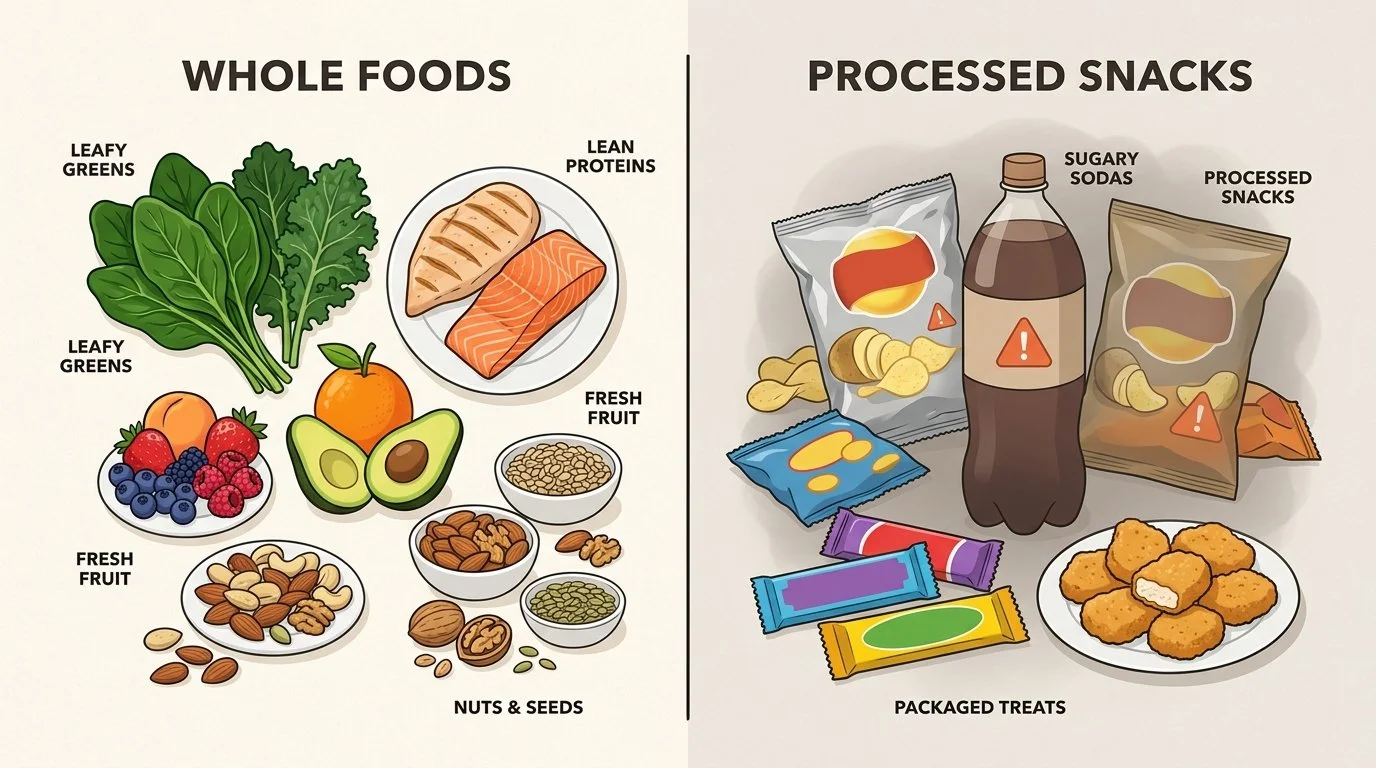
Supporting testosterone isn't just about what you add. It's also about what you limit or avoid.
Alcohol
Research shows heavy drinking can reduce testosterone levels by 23% within 16 hours. According to Medical Specialists MN, chronic alcohol consumption damages testicular function and can increase estrogen levels. If you're serious about optimizing TRT, limiting or eliminating alcohol is key to balancing hormones.
Processed foods and sugar
High sugar intake can reduce testosterone effectiveness by up to 25%. Clinical data show processed foods contribute to insulin resistance and inflammation, both enemies of healthy testosterone. Keep added sugar under 25g daily and minimize processed snacks, fast food, and sugary drinks.
BPA exposure
Bisphenol-A, found in some plastic containers and food packaging, disrupts hormone production. Studies link frequent BPA exposure to significant testosterone drops and reduced sperm quality. Store food in glass containers when possible, and never microwave food in plastic.
Excessive soy
Soy contains phytoestrogens that may mimic estrogen in the body. While research remains inconclusive, men on TRT should consider moderating soy milk, tofu, and edamame consumption.
Practical tips for Anchorage men on TRT
Living in Alaska presents unique nutrition challenges. Here's how to adapt:
Winter vitamin D strategy (October-April): Supplement with 5,000-10,000 IU of vitamin D3 daily. No exceptions. The lack of UVB from the sun makes supplementation essential for maintaining testosterone support. Have your vitamin D levels checked; you might require a higher-dose replacement protocol.
Source local wild salmon: Take advantage of Alaska's wild-caught salmon. Stock up during fishing season and freeze portions. Canned wild salmon works great for quick meals.
Frozen vegetables are your friend: When fresh produce is limited or expensive, frozen spinach, broccoli, and Brussels sprouts provide identical nutritional value. Stock up during sales.
Hydration matters: Alaska's dry air increases dehydration risk. Aim for 90-120 ounces of water daily, more if you're active. Dehydration reduces hormone transport efficiency by 15%.
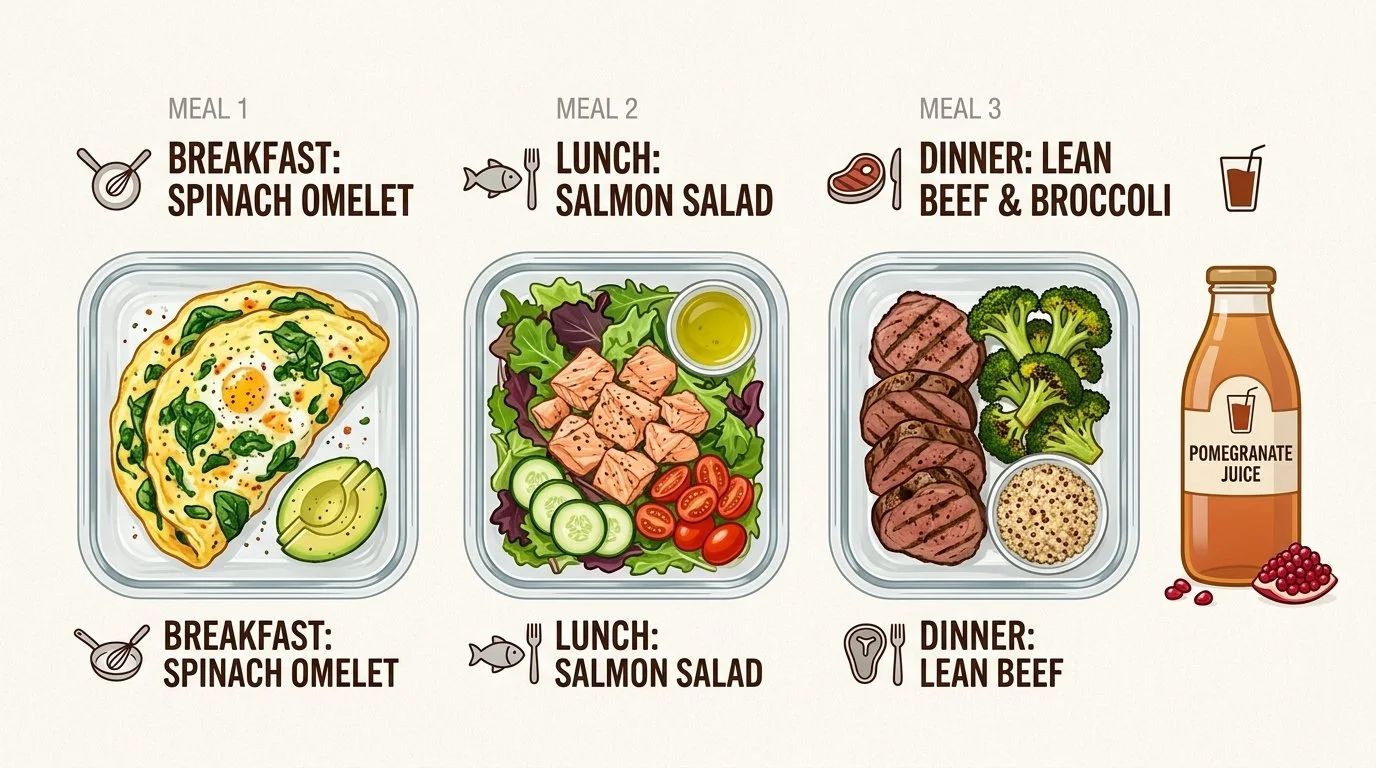
Sample testosterone-supporting day:
Breakfast: 3-egg omelet with spinach and avocado
Lunch: Grilled salmon over mixed greens with olive oil
Snack: Pumpkin seeds and dark chocolate
Dinner: Lean beef with roasted broccoli and garlic
Beverage: Pomegranate juice mixed with sparkling zero-sugar water
Start optimizing your TRT with nutrition support
The right foods won't replace your TRT protocol, but they will help you get more from every treatment. By prioritizing zinc-rich foods, vitamin D sources, and magnesium-packed vegetables, you create an internal environment where testosterone can thrive.
At Basecamp Medical, we integrate nutrition guidance into every TRT protocol. Our Anchorage-based team understands the unique challenges Alaska men face, from limited winter sunlight to seasonal food availability. We don't just prescribe testosterone; we help you build the nutritional foundation for optimal results. We can also recommend a skilled dietitian to personalize a nutrition plan catered to your individual needs.
Ready to maximize your TRT investment? Schedule a consultation with our team. We'll evaluate your current hormone levels, review your nutrition, and create a personalized plan that fits your lifestyle and goals.
Everything you need to ascend starts with the right foundation.
Frequently Asked Questions
Can food alone fix my low testosterone?
No. While nutrition supports testosterone production, clinically low testosterone requires medical treatment. Food complements TRT but cannot replace it. If you have symptoms of low testosterone, you need proper testing and diagnosis from a qualified provider.
How quickly will dietary changes improve my TRT results?
Most men notice improved energy and recovery within 2-4 weeks of optimizing their nutrition. However, the full hormonal benefits take longer as your body adapts to consistent nutrient intake. Think of it as a long-term investment in your therapy success.
Do I need supplements if I eat these foods?
Food should be your primary source of nutrients, but supplements help fill gaps. For Alaska men, vitamin D3 supplementation is essential all year round due to limited UVB sun exposure. Zinc and magnesium supplements may also help if you struggle to get enough from food alone.
How much protein should I eat on TRT?
Target 1.2-2.2 grams of protein per kilogram of body weight daily. For a 200-pound man, that's 109-218 grams of protein. Without adequate protein, your testosterone cannot build the muscle it's designed to create.

Can I drink alcohol while on TRT?
Moderate alcohol consumption (maximum 4 drinks per week) won't derail your progress, but heavy drinking significantly reduces testosterone production. If you're serious about optimization, limiting alcohol is one of the highest-impact changes you can make.
Are frozen vegetables as good as fresh for testosterone support?
Yes. Frozen vegetables are typically flash-frozen at peak ripeness, preserving their nutrient content. For Alaska residents dealing with limited fresh produce availability in winter, frozen spinach, broccoli, and other vegetables are excellent choices.