Peptides You Can Trust: The Importance of FDA-Regulated Therapies
Peptides have quickly become one of the most talked-about areas in modern health and wellness—and for good reason. These small chains of amino acids act as signaling molecules in the body, helping regulate everything from metabolism and recovery to hormone production and cellular repair. As research advances, peptides are increasingly being explored for their potential to support targeted, personalized care.
However, not all peptides are created equal—and this is where things can get confusing.
The Growing Interest in Peptide Therapy
Over the past decade, peptide therapy has moved from niche medical use into broader clinical and wellness settings. People are seeking solutions for weight management, hormone optimization, recovery, and overall performance—and peptides offer a promising, science-backed pathway in many of these areas.
But with that growth has come a surge of unregulated products, online vendors, and clinics offering therapies that may not meet established safety or quality standards. This makes it more important than ever to distinguish between FDA-regulated peptides and those that are not.
Why FDA Regulation Matters
When a peptide is regulated by the U.S. Food and Drug Administration (FDA), it means it has undergone rigorous evaluation for safety, quality, and effectiveness for specific uses. These therapies are manufactured under strict standards, prescribed appropriately, and monitored by licensed medical professionals.
Choosing FDA-regulated peptides helps ensure:
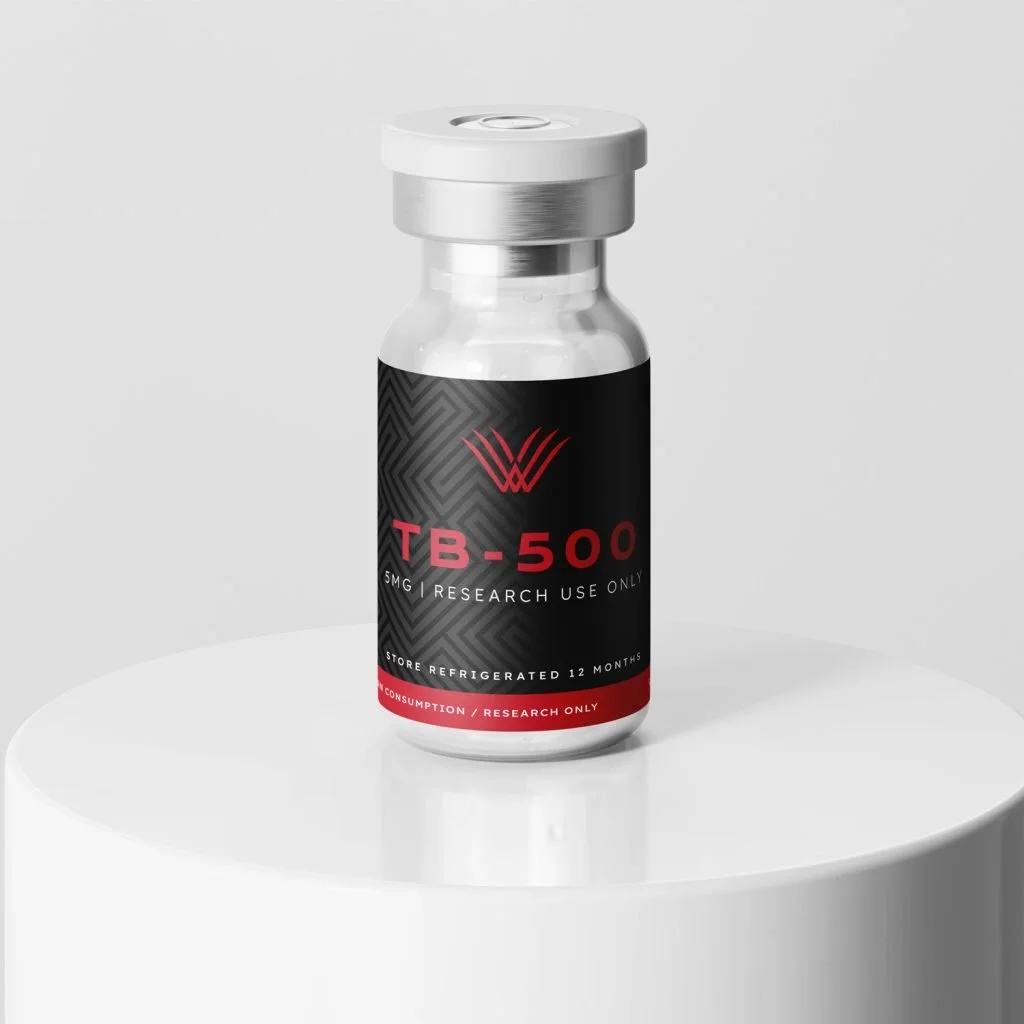
Consistent dosing and purity
Verified safety profiles
Evidence-based use in clinical settings
Proper medical oversight
This level of accountability is critical—especially in a field that is still evolving.
A Higher Standard at Basecamp Medical
At Basecamp Medical, patient safety and clinical integrity come first. That’s why the practice is committed to prescribing only FDA-regulated peptide therapies. Rather than chasing trends or offering experimental compounds with limited oversight, the focus is on treatments that meet established regulatory standards.
This approach provides patients with:
Confidence in what they’re receiving
Transparent, medically guided care
Reduced risk compared to unregulated alternatives
In a landscape where some providers blur the line between research and treatment, this commitment to regulation sets a higher bar.

The Future of Peptides in Medicine
The good news is that the field is moving in the right direction. As interest grows, more peptide-based therapies are undergoing clinical trials and gaining FDA approval. Medications like GLP-1 receptor agonists for weight management are a clear example of how peptides are becoming mainstream, evidence-based tools in modern medicine.
This trend is expected to continue. With increased research, better manufacturing standards, and stronger regulatory oversight, peptides are transitioning from experimental concepts to trusted therapeutic options.
Moving Forward with Confidence

Peptides represent an exciting frontier in personalized healthcare—but they should be approached with the same level of care as any medical treatment. Choosing a provider that prioritizes safety, transparency, and FDA-regulated therapies is one of the most important decisions you can make.
Basecamp Medical’s commitment to these principles reflects a broader shift in the industry: moving away from hype and toward responsible, evidence-based care.
As more peptide therapies become FDA-regulated and widely available, patients can look forward to safer, more effective options—delivered with the oversight and quality they deserve.