Stress is Robbing Your Testosterone:

The Cortisol-T Connection Alaska Men Need to Know
By Megan Hathcoat, APRN | Basecamp Medical
You've cleaned up your diet. You're getting to the gym. You're sleeping better than you have in years. And yet — you still feel flat. Low energy, reduced drive, mood that sits somewhere between irritable and indifferent.
Before you assume you need a higher TRT dose, consider this: cortisol may be quietly working against everything you're trying to build.
What Is Cortisol and Why Should You Care?
Cortisol is your primary stress hormone — produced by your adrenal glands in response to physical, emotional, and environmental stress. In short bursts, it's essential. It sharpens focus, mobilizes energy, and helps your body respond to threat or demand.
The problem is what happens when the stress never stops.
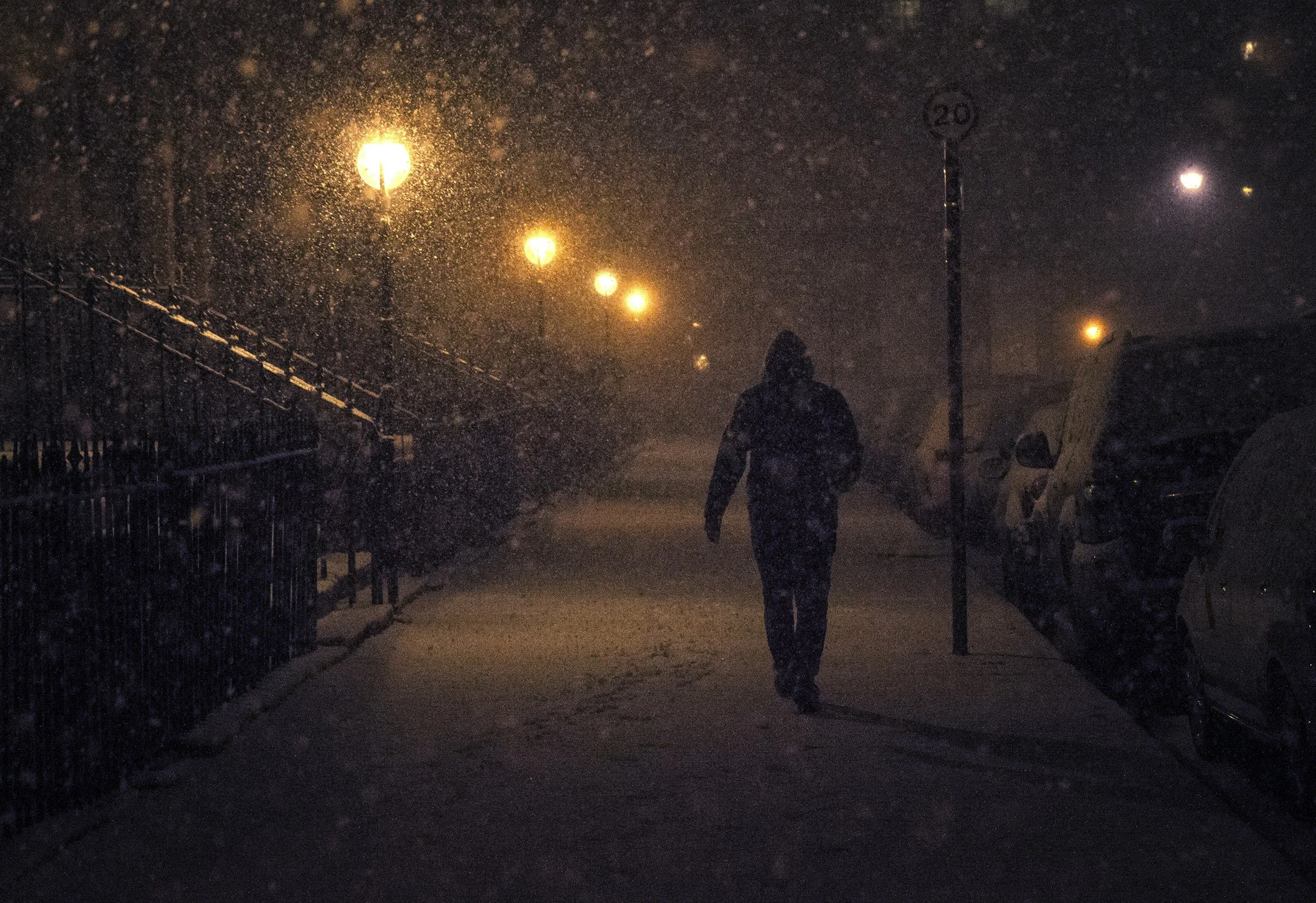
In Alaska, this isn't abstract. Long, dark winters. Physical jobs. Financial pressure. Isolation. The relentless grind of living in one of the most demanding environments in the country. For many Alaskan men, cortisol isn't spiking and recovering — it's chronically elevated. And chronically elevated cortisol is one of the most efficient testosterone killers in existence.

The Biological Tug-of-War
Here's the mechanism most men never hear about: cortisol and testosterone are both derived from the same precursor — pregnenolone. When your body is under sustained stress, it prioritizes cortisol production. This is sometimes called the "pregnenolone steal" — your body essentially robs the raw material that would have gone toward testosterone production and redirects it toward keeping your stress response fed.
The result? Even if your lifestyle is dialed in, chronic stress can suppress your body's ability to produce adequate testosterone on its own — and can blunt the effectiveness of TRT if you're already on therapy.
Elevated cortisol also:
Increases aromatase activity, the enzyme that converts testosterone to estrogen — worsening symptoms even when T levels look acceptable
Suppresses LH and FSH from the pituitary, reducing the signal your testes receive to produce testosterone
Increases abdominal fat storage, which further accelerates estrogen conversion
Disrupts sleep architecture, cutting off the overnight testosterone production window that your body depends on
This is a vicious cycle. Stress tanks testosterone. Low testosterone makes you less resilient to stress. The spiral deepens.

Signs Your Cortisol May Be the Problem
Many of the symptoms of cortisol dysregulation look exactly like low testosterone — and the two conditions frequently coexist. Watch for:
Fatigue that doesn't improve with sleep — you wake up tired, regardless of how many hours you logged
Craving sugar and carbohydrates, especially in the afternoon or evening
Central weight gain — fat accumulating around the midsection even with exercise
Anxiety, irritability, or a general inability to "come down" after a stressful event
Reduced recovery after physical exertion
Brain fog and difficulty concentrating, especially under pressure
Disrupted sleep — trouble falling asleep, staying asleep, or waking at 3 a.m. with your mind already running
If several of these sound familiar, cortisol deserves a seat at the table when we're evaluating your hormone panel.
Why Alaska Makes This Worse
The physiology of stress doesn't exist in a vacuum — it's shaped by environment. And Alaska puts unique pressure on the stress axis.
Light deprivation is one of the most underappreciated contributors. During the long Anchorage winters, reduced sunlight directly suppresses serotonin and disrupts the cortisol rhythm. Cortisol is supposed to peak in the morning and taper through the day. Without proper light exposure, this natural rhythm flattens or inverts — leaving men wired at night and dragging in the morning.
Vitamin D deficiency — already covered extensively on this blog — compounds the problem by further impairing testosterone production and immune regulation.
Physical occupational stress — common in Alaska's construction, oil, fishing, and military sectors — creates a sustained physiological load that never fully resets. The body doesn't distinguish between a bear and a 12-hour shift on a drill rig. Both drive cortisol. Both cost testosterone.
What You Can Do About It
Managing cortisol doesn't mean eliminating stress — that's neither realistic nor desirable. It means building the recovery capacity to match your stress load. Here's where to start:
Anchor your sleep window. Cortisol regulation is heavily dependent on circadian rhythm. Going to bed and waking at consistent times — even on weekends — is one of the most powerful tools available. Prioritize 7 to 9 hours. This is non-negotiable if you're serious about hormone health.
Get morning light. Within 30 to 60 minutes of waking, get outside or in front of a bright light source. This resets your cortisol curve for the day, helping it peak appropriately in the morning and drop by evening. In Anchorage winters, a 10,000-lux light therapy lamp is worth every penny.
Limit afternoon caffeine. Caffeine raises cortisol. Consuming it after 1 or 2 p.m. extends the cortisol elevation into the evening, suppressing melatonin and wrecking sleep quality — which starts the next day's stress cycle at a disadvantage.
Train intelligently, not just hard. Intense exercise is a cortisol driver. It's also enormously beneficial — but only if recovery is built in. If you're already under chronic stress and sleeping poorly, piling on heavy training volume without adequate rest creates more hormonal suppression, not adaptation. Strength train, but program your recovery with the same intentionality as your workouts.
Address your protein and fat intake. Cholesterol is the upstream building block for all steroid hormones, including testosterone and cortisol. Chronically low-fat diets can starve your body of the raw material it needs for hormone synthesis. Adequate dietary fat — from quality sources like eggs, red meat, olive oil, and avocado — supports the hormonal foundation.
Consider adaptogenic support. Certain evidence-backed supplements can help buffer the cortisol response. Ashwagandha has the strongest clinical data for reducing cortisol and modestly improving testosterone in stressed men. Phosphatidylserine and magnesium glycinate also show benefit for cortisol regulation and sleep quality. These are adjuncts, not replacements for the lifestyle fundamentals — but they're worth discussing with your provider.

How We Evaluate This at Basecamp
At Basecamp Medical, we don't just run a standard testosterone panel and write a prescription. When patients present with symptoms that don't fully resolve on TRT — or where the clinical picture doesn't match expectations — cortisol dysregulation is one of the first things we explore.
That may include reviewing your sleep patterns and stress history, evaluating your full hormone panel in context, and discussing targeted interventions that address the root cause rather than just the downstream symptom.
Testosterone therapy is a powerful tool. But it works best in a body that isn't actively working against it.
If you suspect stress may be a factor in how you're feeling, let's talk. A comprehensive evaluation is the only way to understand what's actually driving your symptoms — and build a plan that addresses the full picture.
Megan Hathcoat, APRN has over 26 years of clinical experience specializing in hormone optimization and men's health. Basecamp Medical serves patients in Anchorage and throughout Alaska via telehealth.
Ready to get to the root of how you're feeling? Book your appointment at basecampmedak.com