How Testosterone Changes Affect Men’s Health as You Age

Most people are familiar with menopause, the stage of life when a woman’s menstrual cycles stop and hormone levels—particularly estrogen—decline. This transition can bring symptoms such as hot flashes, sleep disturbances, and mood changes.
What many people don’t realize is that men experience hormonal changes with age as well. While men do not undergo menopause in the same way women do, testosterone levels gradually decline over time. This process is sometimes referred to as andropause.
Unlike menopause, men do not stop producing testosterone completely. Instead, levels slowly decrease over the years, which can lead to changes in energy, mood, body composition, and sexual health.
The important thing to understand is that these changes are common and manageable. With the right evaluation and lifestyle strategies, many men can maintain strong physical and mental health well into midlife and beyond.
What Is Andropause?
Andropause refers to the gradual, age-related decline in testosterone levels in men.
While menopause in women is marked by a clear endpoint—defined as 12 consecutive months without a menstrual cycle—men do not experience a sudden hormonal shutdown. Instead, testosterone levels typically decline slowly over time, often at a rate of about 1–2% per year after early adulthood.
Not every man experiences noticeable symptoms. The effects vary depending on factors such as:
Baseline testosterone levels
Overall health
Sleep quality
Stress levels
Body composition
Underlying medical conditions
Medications
Because of this variability, proper medical evaluation is important before assuming symptoms are caused by low testosterone.
When Do Testosterone Levels Begin to Decline?

For many men, testosterone levels begin to decline gradually around age 30–40. However, symptoms often become more noticeable later in life, typically between ages 45 and 55.
It is important to recognize that not all midlife symptoms are caused by low testosterone. Conditions such as:
Thyroid disorders
Diabetes
Depression
Sleep apnea
Chronic stress
can produce similar symptoms.
A thorough medical evaluation helps determine the true cause and ensures appropriate treatment.

Common Physical Symptoms of Low Testosterone
Because testosterone influences multiple systems in the body, declining levels can affect a variety of physical functions.
Common symptoms may include:
Decreased energy and stamina
Reduced muscle mass and strength
Increased body fat, particularly around the abdomen
Reduced libido
Erectile dysfunction
Poor sleep quality
Decreased bone density
Changes in skin or body hair
These changes often occur gradually, which is why many men assume they are simply a normal part of aging rather than potentially treatable hormonal changes.
Emotional and Cognitive Effects
Hormonal changes can also influence mental and emotional health.
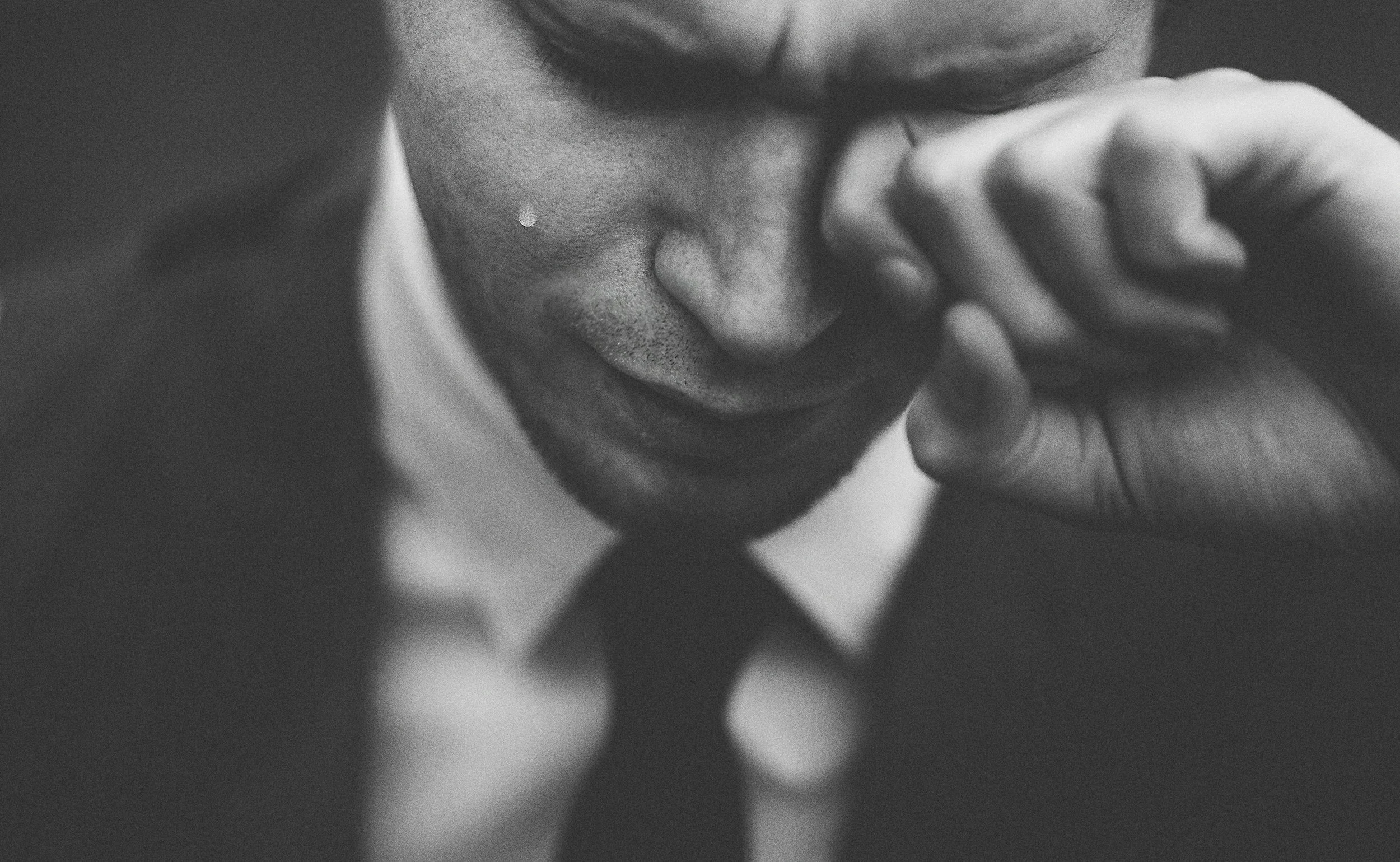
Some men may experience:
Irritability
Mood swings
Anxiety
Depression
Decreased motivation
Difficulty concentrating
Memory changes or “brain fog”
Unfortunately, these symptoms are often overlooked. Cultural expectations around masculinity can make it difficult for men to openly discuss emotional health, leading many to suffer in silence.
Recognizing these changes and seeking professional evaluation can be an important step toward improving overall well-being.
Changes in Energy, Sleep, and Weight
One of the most common complaints among men experiencing testosterone decline is persistent fatigue.

Men frequently report:
Feeling tired even after a full night of sleep
Difficulty falling or staying asleep
Gradual weight gain despite unchanged diet or activity
Loss of muscle mass
These symptoms can create a vicious cycle. Lower energy leads to less physical activity, which contributes to muscle loss and increased body fat—both of which can further reduce testosterone levels.
Breaking this cycle requires a comprehensive approach that addresses sleep, exercise, and nutrition simultaneously.

Lifestyle Strategies to Support Testosterone
For many men, lifestyle changes are the first and most effective step in improving symptoms associated with testosterone decline.
Regular Exercise
Strength training and cardiovascular exercise help maintain muscle mass, improve metabolic health, and support natural testosterone production.
Quality Sleep
Testosterone is largely produced during sleep. Aim for 7–9 hours of high-quality sleep each night.
Balanced Nutrition
A nutrient-dense diet supports hormone balance. A Mediterranean-style diet rich in healthy fats, lean proteins, vegetables, and whole grains is often recommended.
Limiting alcohol, reducing excess sugar, and maintaining a healthy weight are also important factors.
Stress Management
Chronic stress increases cortisol levels, which can negatively impact testosterone production. Practices such as mindfulness, regular exercise, social connection, and purpose-driven activities can help regulate stress.
Determining Whether Testosterone Is Low
The only reliable way to determine whether symptoms are related to testosterone is through professional evaluation and laboratory testing.
Diagnosis typically includes:
Morning testosterone blood tests
Repeat testing to confirm levels
Evaluation of related hormones and metabolic markers
Assessment of symptoms and overall health
Lab values alone do not always tell the full story. Some men may experience symptoms even if their testosterone levels fall within the standard “normal” range, particularly if those levels represent a significant decline from their previous baseline.
A comprehensive evaluation considers the whole person, not just a number on a lab report.
Can Fitness Trackers Help?
Wearable health technology can provide useful insights into trends related to:
Sleep quality
Heart rate variability
Stress levels
Cardiovascular fitness
These tools can help men track progress as they make lifestyle improvements. However, wearable devices are not perfectly accurate and should not replace professional medical evaluation.
Think of them as supporting tools, not diagnostic devices.
What Is Testosterone Replacement Therapy (TRT)?
Testosterone Replacement Therapy (TRT) may be appropriate for men who have:
Documented low testosterone levels
Persistent symptoms
Inadequate improvement from lifestyle changes
TRT can be delivered through several methods, including:
Injections
Topical gels
Skin patches
Subcutaneous pellets
When properly monitored by a qualified medical provider, TRT can be a safe and effective treatment for appropriate candidates.
Who Should Not Receive TRT?
Testosterone therapy is not suitable for everyone.
Men with the following conditions typically require careful evaluation or may not be candidates for treatment:
Prostate cancer
Untreated severe sleep apnea
Uncontrolled heart failure
Elevated red blood cell counts
Regular monitoring of blood counts, prostate health, and cardiovascular risk factors is essential during therapy.
Additionally, TRT can reduce sperm production and is generally not recommended for men who wish to maintain fertility.
Alternative treatments may be available depending on individual goals and health status.
How Partners Can Help
Support from a partner can make a significant difference during this stage of life.

Helpful approaches include:
Encouraging open communication
Supporting healthy lifestyle habits
Exercising together
Preparing balanced meals
Establishing consistent sleep routines
Partners often notice subtle changes before men recognize them themselves. Addressing these changes together can strengthen both health and relationships.
A Final Message for Men

Aging is inevitable—but losing your energy, strength, and drive doesn’t have to be.
Many men reach a point where they notice they’re not performing the way they once did. Workouts feel harder. Energy fades earlier in the day. Motivation drops. Sleep becomes inconsistent. For some men, these changes are simply part of life’s natural rhythm. But for others, they may be signs that testosterone levels have declined to a point where the body can no longer operate at its optimal level.
At Basecamp Medical, we encourage men to think about their health the way they would prepare for a serious expedition in the Alaska backcountry. When your equipment begins to fail, you don’t ignore it—you repair, replace, or upgrade it so you can keep moving forward safely and effectively.
The same philosophy applies to your health.
When properly evaluated and medically supervised, Testosterone Replacement Therapy (TRT) can help restore balance to the body. For men with clinically low testosterone, TRT may improve energy levels, support muscle strength, enhance mental clarity, and restore confidence in daily life.
Most importantly, TRT is not about chasing youth—it’s about restoring the foundation that allows you to live, work, and perform at your best.
The goal is simple: to help you stay capable, resilient, and engaged in the things that matter most—whether that’s leading at work, supporting your family, pursuing outdoor adventures, or continuing to challenge yourself physically and mentally.
At Basecamp Medical in Anchorage, we believe every man deserves a strong foundation for the years ahead. With the right evaluation, expert guidance, and a commitment to long-term health, many men can continue climbing well into the decades ahead.
Your peak years don’t have to be behind you. With the right support, the next summit may still be ahead.