Why Testosterone Drops During Alaska Winters
Understanding the Hormonal Challenges for Men in Anchorage and Across Alaska
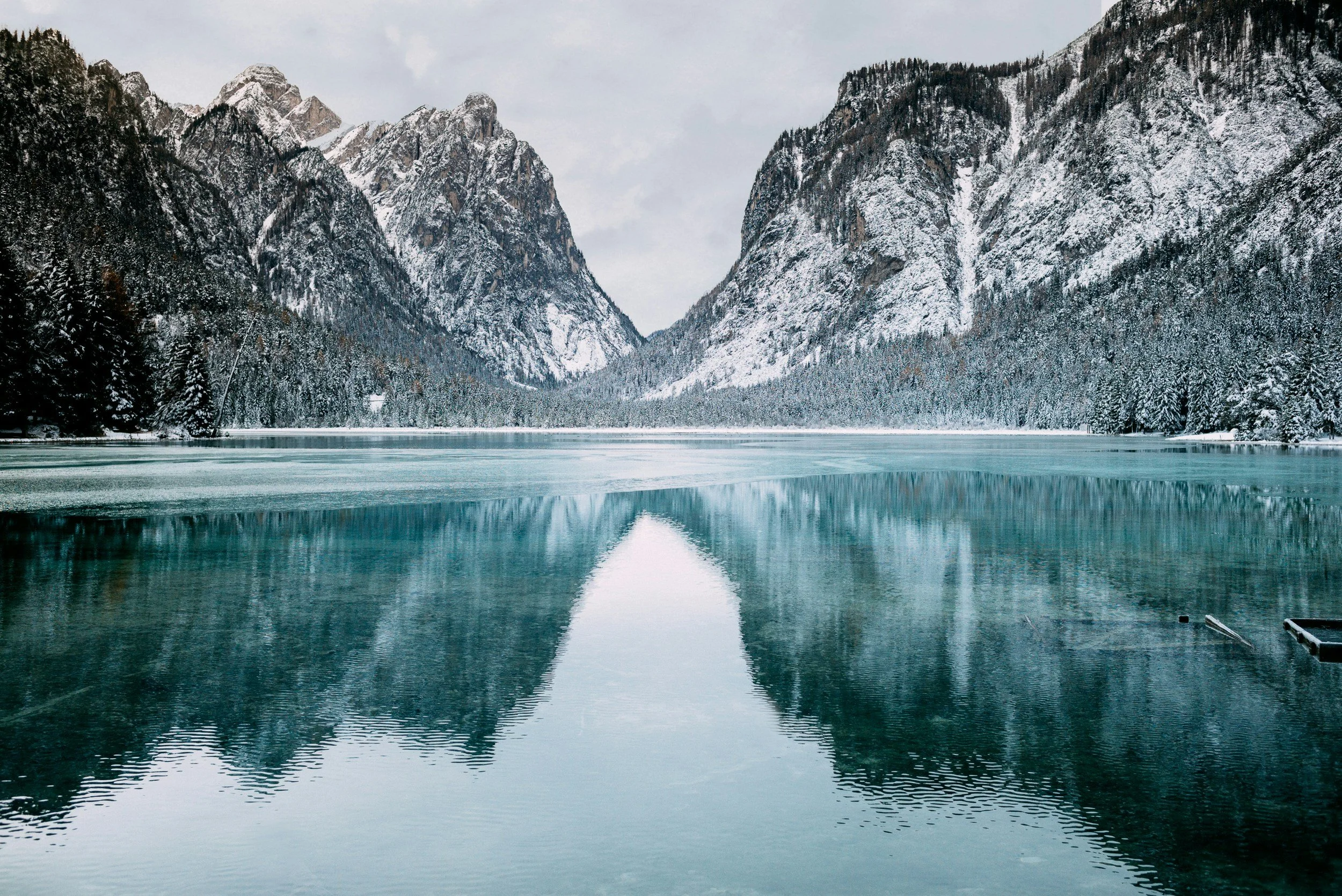
Winter in Alaska is unlike winter anywhere else in the United States. In places like Anchorage, the daylight hours shrink dramatically, temperatures fall well below freezing, and outdoor activity often declines. While most people notice the effects of winter on their mood and energy levels, many men don’t realize that these seasonal changes can also impact testosterone levels.
For men across Alaska, the long winter months can quietly contribute to fatigue, weight gain, low motivation, and decreased performance. These symptoms are often dismissed as “winter blues,” but in many cases, they may be related to declining testosterone.
At Basecamp Medical, we often see men whose symptoms become more noticeable during the darker months of the year.
1. Reduced Sunlight and Vitamin D Deficiency
One of the biggest biological changes during an Alaska winter is the dramatic reduction in sunlight. Sunlight helps your body produce vitamin D, which plays an important role in hormone production.
Research has shown that men with low vitamin D levels often have lower testosterone levels. During the winter months in Alaska, many men spend most of their time indoors while the sun remains low on the horizon for much of the day.

Low vitamin D can contribute to:
Reduced testosterone production
Lower energy levels
Decreased immune function
Mood changes
For men living in northern climates, vitamin D deficiency is extremely common during the winter.
2. Decreased Physical Activity
Summer in Alaska encourages outdoor activity—hiking, fishing, biking, and long days outside. When winter arrives, activity levels often drop significantly.
Testosterone production is closely tied to physical activity, particularly strength training and resistance exercise. When activity decreases, the body receives fewer signals to maintain optimal hormone production.
Reduced activity during winter can lead to:

Loss of muscle mass
Increased body fat
Slower metabolism
Lower testosterone levels
Maintaining regular exercise throughout the winter months can help support healthier hormone balance.
3. Increased Body Fat During Winter

Weight gain is common during colder months. Holiday meals, reduced daylight, and less outdoor activity often lead to increased calorie intake and decreased movement.
Higher body fat levels can negatively affect testosterone because fat tissue converts testosterone into estrogen through a process called Aromatization.
This means that as body fat increases, testosterone levels may decline even further.

4. Sleep Disruption From Seasonal Light Changes
Sleep plays a major role in testosterone production. In fact, most testosterone is produced during deep sleep.
The extreme changes in daylight during Alaska winters can disrupt natural circadian rhythms. Many people experience difficulty maintaining consistent sleep schedules when daylight becomes limited.
Poor sleep can contribute to:
Lower testosterone levels
Reduced recovery from exercise
Increased fatigue
Brain fog
Even small disruptions to sleep quality over several months can impact hormone balance.
5. Seasonal Mood Changes

Some individuals experience seasonal mood changes during darker months, often referred to as Seasonal Affective Disorder. While this condition primarily affects mood, it can also indirectly influence hormones.
Low motivation, fatigue, and reduced physical activity associated with seasonal mood changes may further contribute to declining testosterone.
When Winter Symptoms May Actually Be Low Testosterone
Many men attribute winter fatigue, weight gain, and reduced motivation to the season itself. While Alaska’s long winters certainly play a role, persistent symptoms may indicate an underlying hormonal imbalance.
Common symptoms of low testosterone include:
Chronic fatigue
Decreased muscle mass
Increased body fat
Low motivation or drive
Reduced libido
Difficulty concentrating
If these symptoms continue beyond seasonal changes, it may be worth evaluating hormone levels.
Supporting Testosterone During Alaska Winters
Men can support healthier testosterone levels during the winter months by focusing on several key habits:
Prioritizing regular exercise and strength training
Maintaining consistent sleep patterns
Ensuring adequate vitamin D levels
Eating a balanced diet that supports metabolic health
Managing stress and maintaining daily routines
While these strategies can help support overall health, it’s important to understand that testosterone naturally declines with age, and lifestyle changes alone may not restore levels to an optimal range.
A Basecamp for Men’s Health

At Basecamp Medical, we believe every man deserves to feel strong, energized, and capable of performing at his best—regardless of the season. For many men in Alaska, winter simply reveals underlying hormonal changes that have been developing over time.
Understanding how environmental factors affect hormone health is the first step toward improving long-term vitality.
If you’re experiencing persistent fatigue, reduced performance, or symptoms of low testosterone, it may be time to evaluate your hormone health and determine what your body truly needs to perform at its best.